
21.1 C
Italy

The New Classicism: Lucas Y Hernández-Gil’s Lacónicum Store Merges Ancient Ritual With Modern Retail

Must read

The design for the Laconicum cosmetics store, masterfully crafted by the Madrid-based studio Lucas y Hernández-Gil, is a profound architectural statement that resurrects the calm, ritualistic atmosphere of the classical world’s bathing traditions. Drawing direct inspiration from the Roman laconicum—the hottest, driest room in a bath complex—the interior successfully merges historical reverence with the needs of contemporary luxury retail. The design eschews the bright, overwhelming aesthetic of modern cosmetics stores in favor of a soothing, muted environment defined by heavy, tactile materials, soft lighting, and architectural simplicity. This approach creates a sense of peaceful contemplation, framing the store’s curated collection of products not as commodities, but as essential tools for self-care and personal ritual.

Concept: From Roman Baths to Modern Retail

The central conceptual driver for the Laconicum store was the historical and cultural significance of the Roman bath complex, particularly the laconicum room.

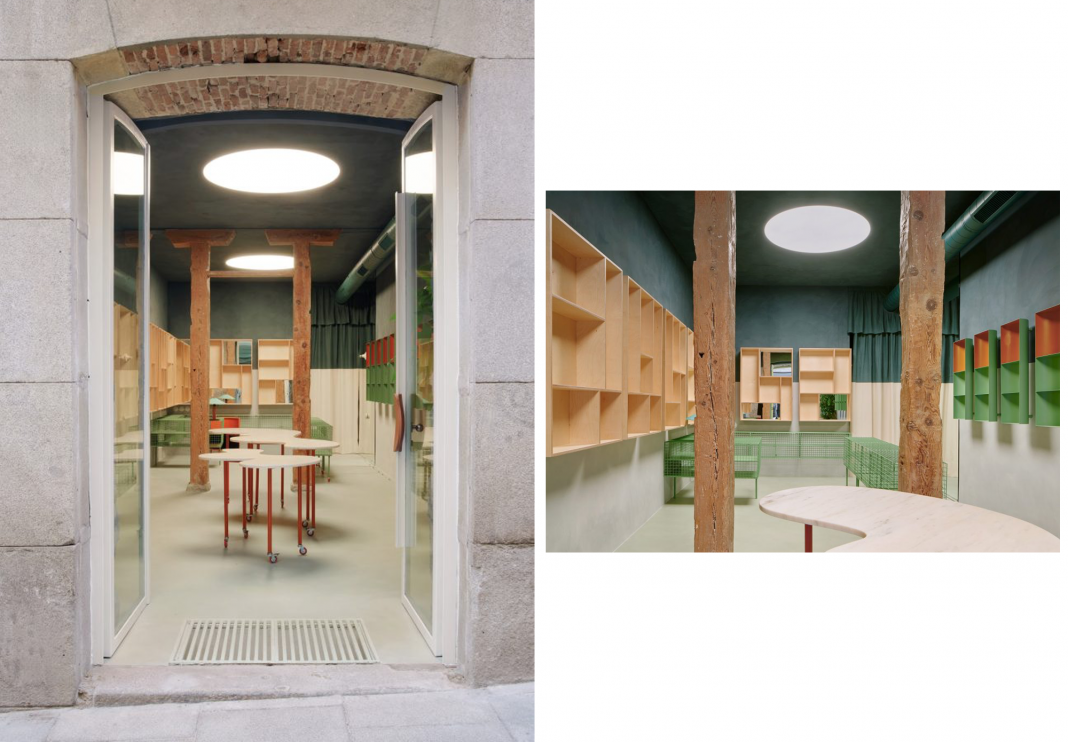
Laconicum store interior

The ancient laconicum was a space of intense heat and dry air, designed for deep cleansing and meditation. Lucas y Hernández-Gil translated this atmosphere of ritualized purification and quiet intensity into a retail setting. The design is intended to slow the customer down, inviting them to engage with the products and the space with a sense of deliberate focus, echoing the slow, mindful process of a historical bath. By invoking this classical reference, the architects elevate the act of purchasing cosmetics from a simple transaction into a deeper, almost sacred act of self-care. This concept provides the store with a powerful, intellectual identity that distinguishes it sharply from its retail competitors.

The Material Palette: Texture and Antiquity

The material selection is characterized by a limited, heavy, and deliberately unrefined palette that immediately conveys a sense of timelessness and ancient permanence.

Store interior in Madrid

The dominant material is rough, untreated natural stone—specifically a variety of travertine or limestone—used for flooring, display platforms, and walls. This stone is intentionally left with a tactile, porous texture, which is highly reminiscent of the materials used in original Roman and Greek architecture. This material choice is contrasted with the inclusion of terracotta elements and dark, oxidized metals used for shelving and fixtures. The combination creates a muted, earthy color scheme dominated by creams, pale browns, and rusty reds. These heavy materials anchor the space and, when combined with the specific lighting, prevent the store from feeling sterile, instead giving it the aged, quiet warmth of a historical ruin that has been sensitively restored.

Spatial Design: Geometry and Contemplation

The store’s spatial arrangement is defined by clear, rigorous geometry and the deliberate use of architectural elements to create moments of private contemplation.

Curved table within the Madrid store by Lucas y Hernández-Gil

The layout is highly symmetrical, borrowing from the classical obsession with order and proportion. The architects utilized arches, curved niches, and simple monolithic platforms to display the products. These architectural forms not only provide an elegant framework for the merchandise but also serve as spatial dividers, creating a sense of intimate discovery as the customer moves through the store. The use of low, heavy, stone platforms and benches further reinforces the low-key, ritualistic atmosphere, gently encouraging visitors to pause and take their time. The display technique itself—where products are sparsely and deliberately placed—is more akin to an art gallery or a museum exhibition than a typical cosmetics counter, reinforcing the value and curated nature of the collection.

Lighting and The Sensory Experience

The lighting strategy is perhaps the most critical element in establishing the store’s unique, contemplative atmosphere, successfully mimicking the low-key glow of a historical bathhouse.

Deep green walls

The design relies entirely on soft, indirect illumination. Harsh overhead lighting is completely avoided. Instead, light sources are cleverly concealed within architectural crevices, behind arches, and under display platforms. This technique creates a diffused, ambient glow that emphasizes the texture of the stone and casts soft, deep shadows. The low-level lighting not only helps to create a soothing, calm mood—essential for a wellness-focused brand—but also forces the customer to focus their attention on the illuminated products. The overall sensory experience is one of quiet isolation from the bustling outside world, achieved through the combination of warm light, rough stone texture, and the calming geometric order.


Previous article
Voulkanizater: A Vibrant New Life For Car Scrap In A Historic Athens NeighborhoodThe Voulkanizater restaurant in the historic Koukaki neighborhood of Athens is a playful, high-concept interior design project that pays homage to the site’s previous life as a tire and car repair shop. Designers consciously chose to retain the gritty, industrial character of the original garage, utilizing its former inventory—specifically old wheel rims, tires, and mechanical scrap—as the primary decorative and architectural elements. This approach successfully blends the raw, working-class history of the location with the contemporary need for a stylish, inviting dining atmosphere. By transforming discarded mechanical parts into lighting fixtures, shelving, and seating elements, the Voulkanizater offers a vibrant, visually rich experience, proving that innovative design can be both culturally respectful and environmentally conscious by embracing upcycling on a large, imaginative scale. Honoring the Site’s Industrial Legacy The core design philosophy for Voulkanizater was rooted in preserving and celebrating the building’s history as a tire repair shop, known in Greek as a voulkanizater. The designers resisted the urge to sanitize or neutralize the industrial shell, instead choosing to amplify its raw character. They retained and restored the original concrete floors, exposed steel beams, and rough-hewn walls, which are coated in varying textures of paint and plaster. This rough, “as found” aesthetic provides an immediate and authentic narrative layer to the restaurant. The exposed infrastructure, including piping and ductwork, is left visible and often painted in bold, energetic colors, further embracing the chaotic, functional beauty of a working garage. The choice to directly reference and retain the site’s history ensures the restaurant feels deeply rooted in the Koukaki neighborhood’s evolving identity, serving as a unique anchor between the area’s past and its present gentrification. The Upcycled Material Palette: Wheel Rims and Tires The most distinctive feature of the Voulkanizater is the imaginative, functional transformation of discarded car and tire parts into primary interior design elements. Wheel rims are the single most utilized component. They are stacked and welded together to create functional architectural features such as bar fronts, host stands, and decorative wall screens. Their circular geometry provides a compelling visual rhythm throughout the space. Furthermore, old tires and rubber inner tubes are creatively repurposed: tires are used as frames for bold wall art, while sections of rubber are woven into durable seating surfaces for stools and benches. This large-scale upcycling is not merely decorative; it is a sustainable design choice that provides a high-concept, recognizable identity for the restaurant. By showcasing the material transformation, the design makes a playful statement about the inherent aesthetic value found in industrial waste. Lighting Design: Highlighting the Mechanical Art The lighting strategy was crucial in transitioning the space from a functional, brightly lit garage to a warm, atmospherically rich dining environment. The designers installed a variety of custom lighting fixtures that incorporate the repurposed mechanical components. Most notably, wheel rims and hubcaps are utilized as shades and reflectors for pendant and ceiling lights. This allows light to be filtered through the spokes and openings of the parts, casting unique geometric shadows and patterns across the walls and floors, which move as the light shifts. The lighting is primarily low-level and warm-toned, creating an intimate atmosphere despite the large, open volume of the garage. This strategic use of light illuminates the textures of the raw walls and highlights the sculptural quality of the upcycled materials, effectively turning the mechanical debris into art installations. Spatial Planning and Energy Despite its industrial heritage, the Voulkanizater’s spatial planning is designed to encourage conviviality, movement, and a high-energy dining experience. The open floor plan, typical of a garage space, is divided into distinct functional zones—a long central bar, communal tables, and smaller, intimate dining nooks—using the wheel rim screens as semi-transparent dividers. This arrangement ensures the space feels integrated and energetic while still offering definition and intimacy. The color palette also plays a vital role in injecting energy: the raw concrete and steel are juxtaposed with vibrant splashes of primary colors—electric blue, mustard yellow, and fire engine red—used on furniture, signage, and service counters. This color scheme, reminiscent of racing and automotive culture, adds a dynamic layer that elevates the atmosphere, ensuring the restaurant experience is as stimulating and memorable as its visually charged design.
Next article
- Advertisement -spot_img

More articles

Latest article